
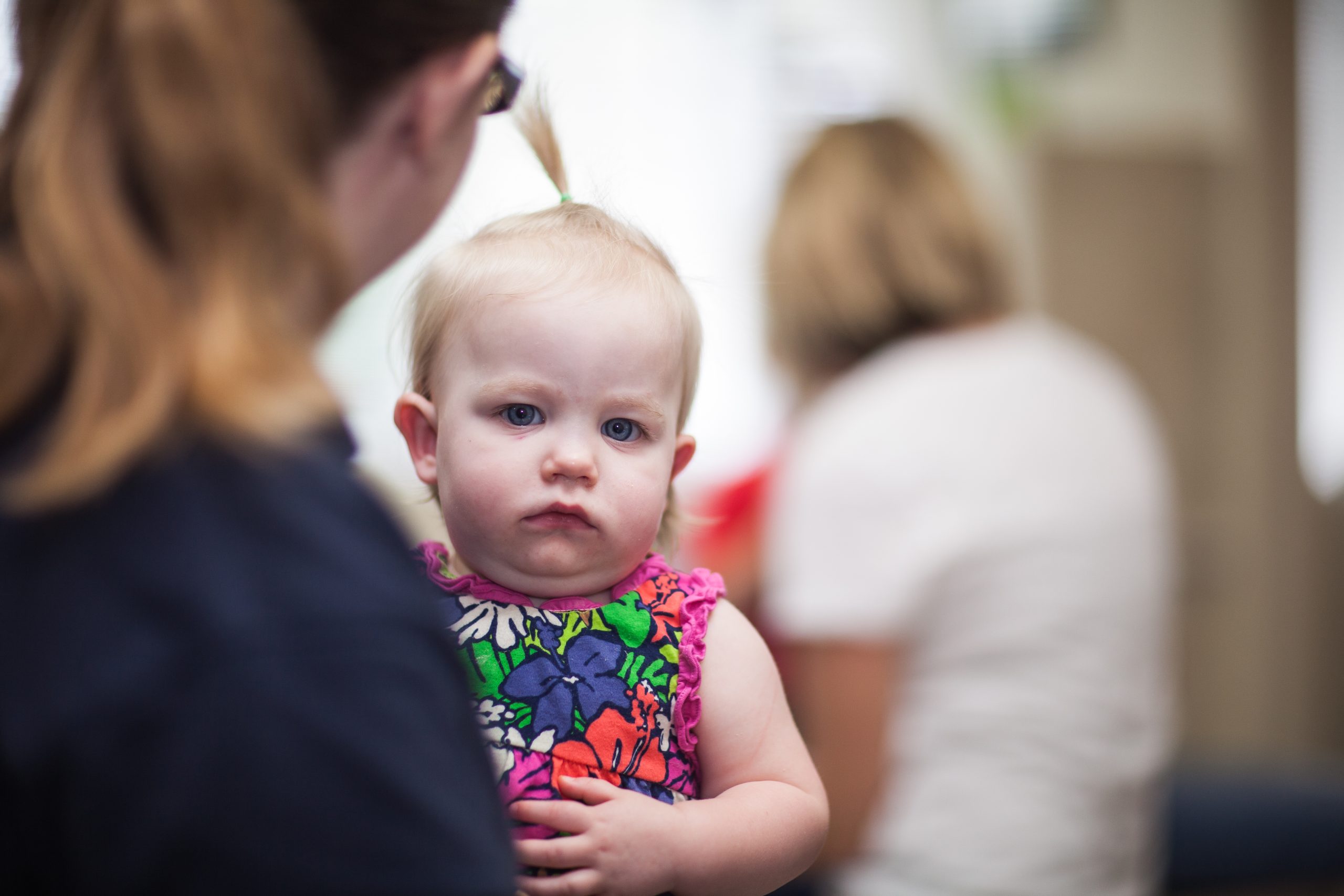
Teething is Hard
Here is What Actually Helps.
Teething typically begins between four and seven months of age and continues until your child's full set of primary teeth is in, usually around age three. For some babies, it is barely noticeable. For others, it is a weeks-long cycle of fussiness, drooling, and disrupted sleep. Both are normal. What parents need is accurate information and practical help, not alarm.
Wheeler Pediatric Dentistry has guided thousands of Woodlands families through teething since 2004. Here is what we know works, what does not, and when to call us.
What Teething Looks Like
Common teething symptoms include:
Age 1
First dental visit recommendation
Teething does not cause fever, diarrhea, or significant illness. If your child has a temperature above 100.4 degrees Fahrenheit alongside teething symptoms, that fever has another cause and warrants a call to your pediatrician.
Wheeler Pediatric Dentistry
Welcoming the youngest patients in The Woodlands since 2004.

What Actually Helps During Teething

Cold pressure on gums
A chilled (not frozen) teething ring, a cold damp washcloth, or gentle gum massage with a clean finger. Cold reduces inflammation. Pressure provides relief.

Age-appropriate pain relief
If your child is particularly uncomfortable, an age-appropriate dose of infant acetaminophen or ibuprofen (for children six months and older) can help. Follow dosing instructions on the packaging or ask your pediatrician.

Distraction
Sometimes the best teething intervention is something interesting to look at or do. Dr. Jon's office has TVs on the ceiling for a reason.
What to Avoid
Teething gels containing benzocaine
The FDA has cautioned against benzocaine products for children under two years of age. We do not recommend them.
Amber teething necklaces
These pose a choking and strangulation hazard. The American Academy of Pediatric Dentistry does not support their use.
Frozen teething rings
Too-cold objects can damage tender gum tissue. Chill, do not freeze.
First Tooth? Time for a Visit.
The appearance of the first tooth is your signal to schedule the first dental visit. The American Academy of Pediatric Dentistry recommends coming in within six months of the first tooth erupting, and no later than the first birthday. Wheeler Pediatric Dentistry welcomes infants, and the first visit is a lap exam, quick, calm, and parent-involved.
Dr. Jon uses that first visit to check your baby's tooth development, screen for early decay, assess for any tongue or lip tie concerns, and give you personalized guidance on home care, diet, and what to expect next.
Questions parents ask us every day.
Questions About Your Baby's Teeth? Call Us.
Wheeler Pediatric Dentistry has been helping Woodlands parents navigate teething, first teeth, and everything that comes next since 2004. If something looks unusual, call (281) 681-9880. We are happy to take a look and put your mind at ease.